Product Description
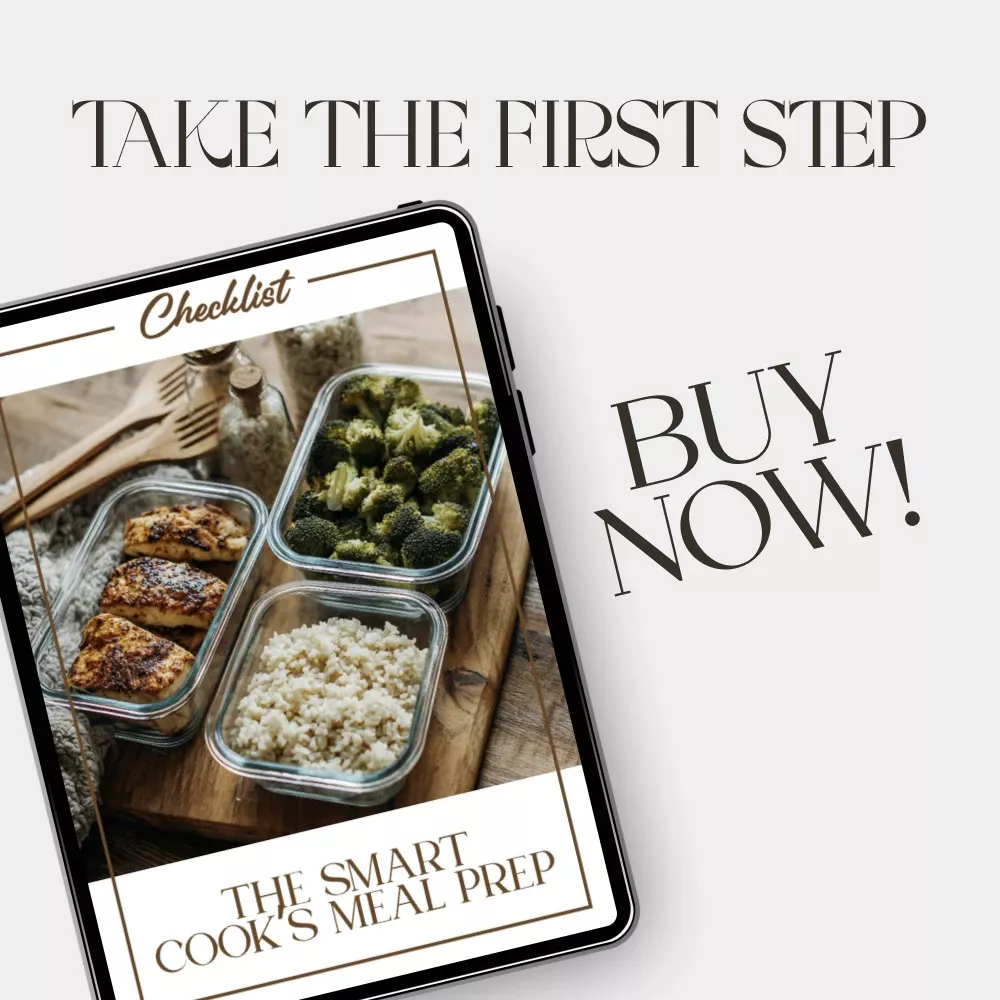
Transform your kitchen into an efficient, stress-free cooking space with The Smart Cook’s Meal Prep Checklist — your ultimate digital guide to mastering meal organization. Designed for busy home cooks, this printable checklist walks you through how to create a weekly meal prep station that saves time, reduces waste, and keeps your kitchen calm and clutter-free. Whether you’re a meal prep beginner or a seasoned foodie, this guide helps you plan smarter and cook easier — every single week.
Meal prep isn’t just about convenience — it’s about creating a rhythm that supports your lifestyle. This digital download gives you step-by-step instructions for setting up a dedicated meal prep area, organizing tools, planning menus, and even using AI prompts to automate your weekly cooking routine.
What’s Inside
- 10 detailed steps to design your perfect meal prep station
- Tips on how to create a weekly meal prep station for efficiency and flow
- Organization hacks for kitchen tools, containers, and ingredients
- Time-saving strategies for prepping ingredients and planning menus
- Bonus: AI-powered prompts to simplify meal planning and grocery lists
Key Benefits
- Save hours each week by prepping smarter, not harder.
- Stay organized with a clear, clutter-free kitchen setup.
- Eat healthier by having fresh, ready-to-go ingredients on hand.
- Reduce stress with a repeatable system that fits your lifestyle.
- Boost creativity with mix-and-match meals that never get boring.
Who It’s For
This checklist is perfect for anyone who wants to take control of their weekly meals — from busy parents and professionals to health-conscious cooks and students. If you’ve ever felt overwhelmed by meal prep, this easy-to-follow guide will give you clarity, structure, and confidence in your kitchen routine.
Why It’s Different
Unlike generic meal prep templates, The Smart Cook’s Meal Prep Checklist focuses on creating a system that works for you. It blends practical kitchen organization with smart planning — and even introduces AI prompts for modern cooks who want to personalize their menus effortlessly. You’ll walk away with a customized process that transforms meal prep from a chore into a lifestyle habit.
Call to Action
Download The Smart Cook’s Meal Prep Checklist today and take the first step toward an organized, effortless, and energized kitchen routine. Make every week smoother — one prep session at a time!
Order cancellation
All orders can be cancelled until they are shipped. If your order has been paid and you need to make a change or cancel an order, you must contact us within 12 hours. Once the packaging and shipping process has started, it can no longer be cancelled.
Refunds
Your satisfaction is our #1 priority. Therefore, you can request a refund or reshipment for ordered products if:
- If you did not receive the product within the guaranteed time( 45 days not including 2-5 day processing) you can request a refund or a reshipment.
- If you received the wrong item you can request a refund or a reshipment.
- If you do not want the product you’ve received you may request a refund but you must return the item at your expense and the item must be unused.
We do not issue the refund if:
- Your order did not arrive due to factors within your control (i.e. providing the wrong shipping address)
- Your order did not arrive due to exceptional circumstances outside the control of reliabledealplaza.shop (i.e. not cleared by customs, delayed by a natural disaster).
- Other exceptional circumstances outside the control of https://reliabledealplaza.shop
*You can submit refund requests within 15 days after the guaranteed period for delivery (45 days) has expired. You can do it by sending a message on Contact Us page
If you are approved for a refund, then your refund will be processed, and a credit will automatically be applied to your credit card or original method of payment, within 14 days.
Exchanges
If for any reason you would like to exchange your product, perhaps for a different size in clothing. You must contact us first and we will guide you through the steps.
Please do not send your purchase back to us unless we authorise you to do so.
Instant download
Your purchase will be available to download once payment is confirmed.
Instant download items don’t accept returns, exchanges or cancellations. Please contact us if you have any problems
Customer Reviews
There are no reviews yet