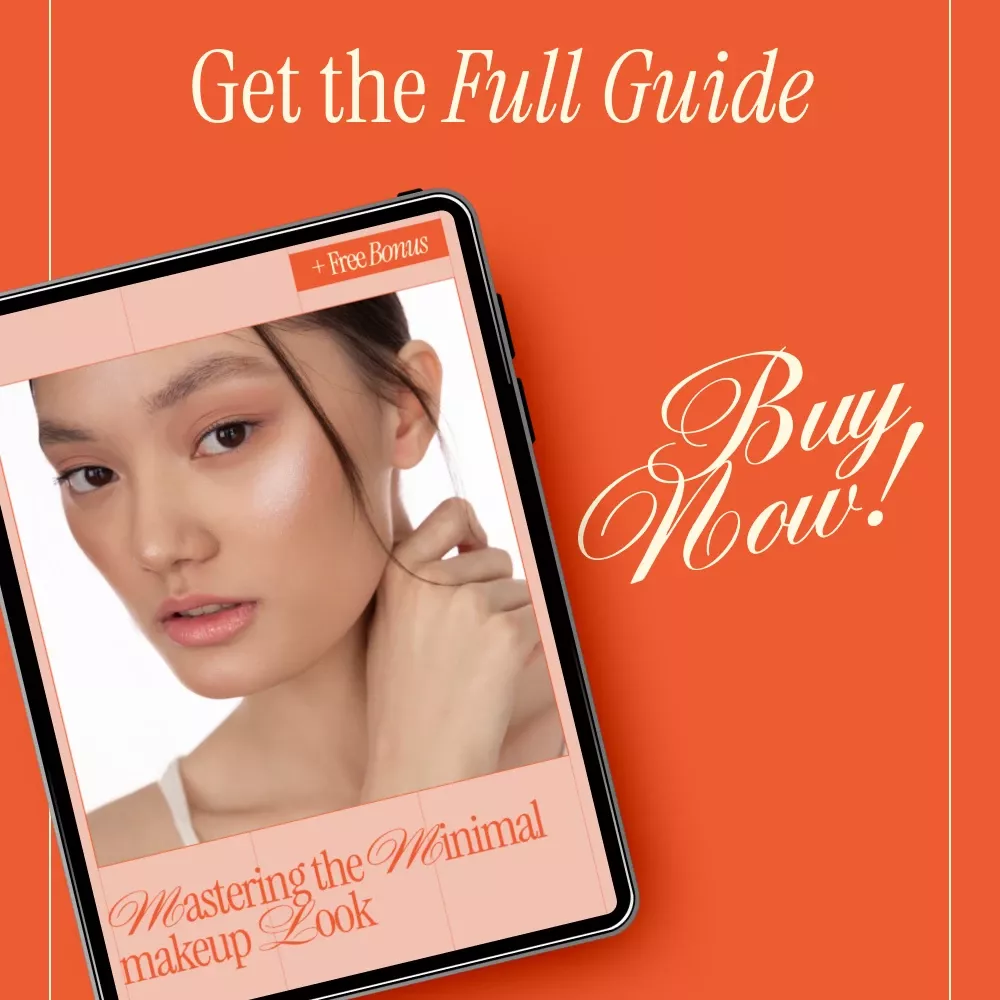
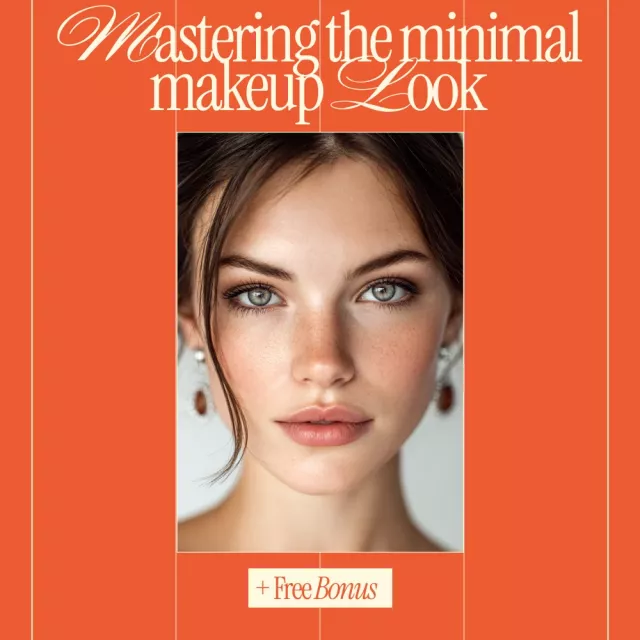
Discover the Art of Effortless Beauty
Mastering the Minimal Makeup Look is a beautifully structured digital guide designed to help you look polished, confident, and naturally radiant without overcomplicating your routine. If you love the idea of fresh skin, subtle definition, and makeup that enhances rather than hides, this guide walks you through everything you need to know. From understanding the philosophy behind the Minimal Makeup Look to using modern AI tools to personalize your routine, this digital download blends timeless beauty principles with smart, modern solutions.
What’s Inside This Digital Guide
- Chapter 1: Understanding the Minimal Makeup Look, including what it is, why it’s trending, and the benefits of going minimal
- A real-life case study showing Sarah’s transition to Minimal Makeup Look
- Chapter 2: Essential products and techniques, with a strong focus on skincare as the base
- Guidance on choosing the right tinted moisturizer or foundation
- Simple approaches to eyes, brows, and lips
- Common mistakes to avoid when creating a minimal routine
- Chapter 3: Styling and personalizing your minimal look for day and evening
- Color choices that complement your skin tone plus subtle highlights and contours
- Chapter 4: Using AI to optimize your minimal makeup routine, including AI for personalized shade and product recommendations
- Virtual try-ons, routine suggestions, and example AI prompts for minimal makeup
Why You’ll Love This Guide
- Saves time by simplifying your daily makeup routine
- Helps you invest only in products you truly need
- Teaches you how to enhance your natural features with confidence
- Combines beauty expertise with modern AI tools for smarter choices
- Perfect for beginners and experienced makeup lovers alike
Who This Is For
This guide is ideal for anyone who wants a clean, natural look, busy professionals, beauty minimalists, skincare lovers, and those overwhelmed by traditional makeup routines. It’s also perfect if you’re curious about how AI can elevate your beauty decisions.
What Makes It Different
Unlike generic makeup eBooks, Mastering the Minimal Makeup Look blends practical beauty education with innovative AI integration. You’re not just learning how to apply makeup, you’re learning how to personalize it intelligently and sustainably.
Download & Start Your Minimal Makeup Journey
Ready to simplify your routine and glow with confidence? Download Mastering the Minimal Makeup Look today and start creating effortless, polished looks that truly feel like you.
Order cancellation
All orders can be cancelled until they are shipped. If your order has been paid and you need to make a change or cancel an order, you must contact us within 12 hours. Once the packaging and shipping process has started, it can no longer be cancelled.
Refunds
Your satisfaction is our #1 priority. Therefore, you can request a refund or reshipment for ordered products if:
- If you did not receive the product within the guaranteed time( 45 days not including 2-5 day processing) you can request a refund or a reshipment.
- If you received the wrong item you can request a refund or a reshipment.
- If you do not want the product you’ve received you may request a refund but you must return the item at your expense and the item must be unused.
We do not issue the refund if:
- Your order did not arrive due to factors within your control (i.e. providing the wrong shipping address)
- Your order did not arrive due to exceptional circumstances outside the control of reliabledealplaza.shop (i.e. not cleared by customs, delayed by a natural disaster).
- Other exceptional circumstances outside the control of https://reliabledealplaza.shop
*You can submit refund requests within 15 days after the guaranteed period for delivery (45 days) has expired. You can do it by sending a message on Contact Us page
If you are approved for a refund, then your refund will be processed, and a credit will automatically be applied to your credit card or original method of payment, within 14 days.
Exchanges
If for any reason you would like to exchange your product, perhaps for a different size in clothing. You must contact us first and we will guide you through the steps.
Please do not send your purchase back to us unless we authorise you to do so.
Instant download
Your purchase will be available to download once payment is confirmed.
Instant download items don’t accept returns, exchanges or cancellations. Please contact us if you have any problems
Customer Reviews
There are no reviews yet